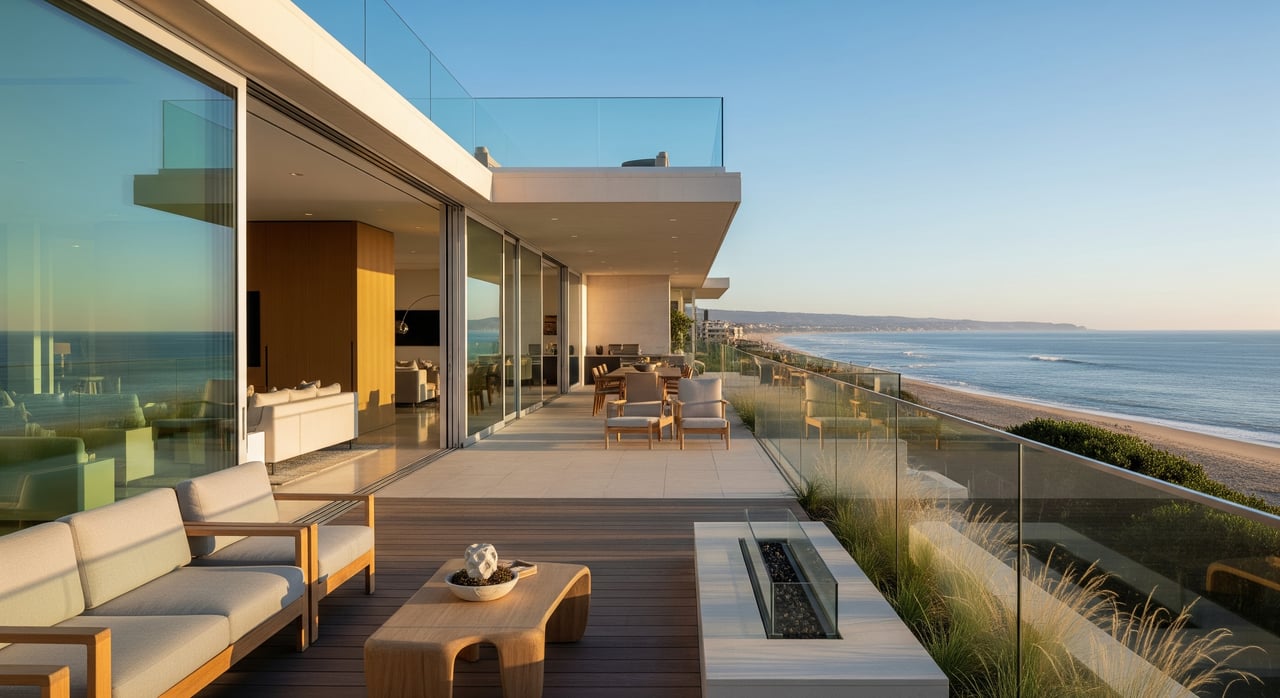
If you could watch the sunset from your living room every night, how much would that be worth to you? In South Redondo, the answer depends on more than just a pretty horizon. View quality, elevation, orientation, and even walkability to the Esplanade all play a role in what buyers are willing to pay and how sellers should price.
In this guide, you’ll learn how to evaluate ocean views in 90277, the factors that drive premiums, and practical steps to quantify a view for your purchase or sale. You’ll also get checklists, tradeoffs to consider, and smart negotiation tips tailored to South Redondo. Let’s dive in.
What shapes ocean-view value in 90277
Several elements work together to determine how much a view contributes to price. The more of these boxes you check, the stronger the premium tends to be.
- View quality and extent. Panoramic or wide-angle views typically lead premiums. Corridor or framed views add meaningful value. Peek-a-boo or partial glimpses usually add a modest premium and sometimes become a negotiation point.
- Elevation and vertical separation. Higher elevation or upper floors often secure more consistent sightlines and privacy. In multi-unit buildings, higher floors usually command higher prices.
- Orientation and light. West-facing exposures capture sunsets, while southern exposures can widen coastline visibility. Seasonal marine layer can reduce how often you enjoy the view, which matters to value.
- Obstructions and permanence. Current and potential future obstructions, like new construction or mature trees, affect long-term value. View permanence is a frequent buyer concern in coastal settings.
- Distance to the Esplanade and beach. Walkability to the Esplanade can be as valuable as the view itself for lifestyle-focused buyers. Closer proximity can also bring added street or beach noise, which some buyers factor into price.
- Property fundamentals. Floor plan, outdoor living spaces, condition, finishes, and parking all shape how much premium a buyer will actually pay for a view.
- Market conditions and liquidity. When inventory of view homes is tight, premiums rise. Interest rates and demand across the Beach Cities influence how far buyers will stretch.
- Regulatory and environmental considerations. Flood zones, tsunami evacuation maps, and coastal permitting can affect desirability, insurance, and future build potential.
View types and likely premium ranges
Every home is unique, but buyers and appraisers often group views into clear categories. The ranges below are practical starting points to be validated with local matched comps in 90277.
- No view or obstructed: 0% adjustment.
- Peek-a-boo or partial: typically low single digits, about 0–5%.
- Corridor or framed ocean view: often mid single digits to low double digits, roughly 5–15%.
- Panoramic or direct ocean / Esplanade-facing: commonly mid to high double digits, about 15–30%.
- Full Esplanade frontage or unique direct access: may push to the top end of the panoramic band or higher, depending on exclusivity.
Treat these ranges as guide rails, not rules. In South Redondo, micro-location, elevation, and property quality can push a home higher or lower within a band.
How to measure your view premium
If you are pricing a sale or calibrating an offer, use a simple, repeatable approach. Cross-check results to build confidence.
Matched-pair quick method
- Define your set. Limit to 90277 and the most comparable micro-areas to keep location effects consistent.
- Pull recent comps. Aim for sales within the last 12–24 months, with closer dates preferred when the market is moving.
- Match the fundamentals. Pair homes with similar size, beds, baths, lot, year built, condition, parking, and distance to the Esplanade.
- Classify the view. Use a standard rubric: No view, Partial, Corridor, Panoramic, Esplanade/frontage. Note elevation and orientation.
- Compute the premium. For each pair, calculate (price_with_view − price_without_view) ÷ price_without_view. Record a median and range.
- Adjust for differences. Account for outdoor spaces, upgrades, and parking if they differ. Control for market shifts if you widen the time window.
Broker adjustment method
- Start with a non-view comp that closely matches the subject on size, condition, and location.
- Apply percentage adjustments tied to your view band and supported by your matched pairs.
- Refine with property features that amplify the view’s usability, such as a large west-facing deck, a great room with floor-to-ceiling windows, or a primary suite oriented to the water.
Want more precision?
If you have enough sales data, a hedonic regression can estimate the percentage effect of different view types while holding other variables constant. This model can include square footage, beds, baths, lot size, age, garage, view type, elevation, and distance to the Esplanade, plus time and neighborhood controls. It is a powerful cross-check on your matched pairs when sample sizes allow.
Lifestyle tradeoffs to consider
A strong view is exciting, but everyday living still rules. Keep these tradeoffs in mind as you weigh price versus lifestyle.
- Walkability vs noise. Being near the Esplanade can feel convenient and vibrant. It can also bring more activity near your front door.
- Marine layer seasonality. Late spring and early summer can see fog that obscures views during parts of the day. This reduces how often you enjoy the view and should be part of your valuation.
- Outdoor living and orientation. A deck that faces the view is more valuable than a view through a secondary bedroom window. Functional outdoor space makes the view a daily habit.
- Parking and storage. In coastal LA, parking convenience can offset or amplify a view premium, especially in multi-unit settings.
- Elevation and stairs. Upper floors increase view potential but may add stair count. Weigh mobility and daily convenience.
Permanence, permitting, and risk
View permanence is a major driver of value. Before you buy or set a list price, take a close look at risk factors that could alter the view over time.
- Neighboring buildable lots. Review nearby parcels and setbacks to gauge whether a future addition could interrupt your sightline.
- Tree canopies and maintenance. Trees grow and can shift the view. Understand trimming rights and local rules.
- Coastal permitting. Construction and additions near the shoreline may require coastal approvals, which can affect both your own build potential and the likelihood of future obstructions nearby.
- Flood and tsunami context. Proximity to the water may place a property in a mapped flood or tsunami evacuation area. This can affect insurance and buyer perceptions.
- HOA and rental rules. In condos or townhomes, HOA guidelines and local short-term rental rules can influence use and income potential from a view property.
Pricing and negotiation tips
Whether you are a seller or a buyer, anchor your strategy in local data and clear tradeoffs.
For sellers:
- Price with defensible comps that isolate the view effect. Overpricing the view without support can extend days on market and invite reductions.
- Showcase the view at its best. Stage outdoor spaces, schedule twilight photos, and include floor plans that highlight view-facing rooms.
- Be transparent about permanence. Buyers appreciate clarity around neighboring buildability, tree maintenance, and any relevant permitting.
For buyers:
- Calibrate the premium to the view band, property quality, and walkability. Double-check comps for photos that confirm the claimed view.
- Validate permanence risks and insurance context before you stretch on price. Incorporate contingencies or price adjustments if risks are material.
- Consider total lifestyle value. A slightly smaller home with a daily-use deck facing a corridor view may beat a larger home with a peek-a-boo glimpse.
Showing-day checklist for views
Use this quick list to keep your evaluation consistent from home to home.
- Confirm the view type from primary living areas and the primary suite.
- Note orientation and whether you get sunset light in the spaces you use most.
- Assess outdoor living and whether the deck or yard actually frames the view.
- Look for obstructions now and potential ones later, including nearby lots and trees.
- Check noise and privacy at different times of day, especially near the Esplanade.
- Confirm parking and storage, which can impact overall value in coastal settings.
Work with a local advisor
In South Redondo, small differences in elevation, orientation, and distance to the Esplanade can swing value by tens or hundreds of thousands of dollars. A structured, local approach helps you price confidently as a seller and avoid overpaying as a buyer. If you want a clear, defensible read on your home’s view premium or you are targeting an ocean-view purchase, we are here to help.
For tailored guidance and a low-pressure plan for your next move, connect with Colin Aita Real Estate.
FAQs
How much more should I pay for an ocean view in South Redondo?
- It depends on view quality, elevation, property fundamentals, and current supply; partial views often add low single digits, corridor views roughly mid single to low double digits, and panoramic or Esplanade-facing views commonly mid to high double digits, all validated with local matched comps.
Do partial or obstructed views hurt price in 90277?
- Obstructed views generally carry little to no premium, while partial views add modest value and may serve as buyer negotiation leverage if marketing overstates the view.
How do I calculate a view premium for my listing?
- Use matched-pair analysis with recent local sales, control for fundamentals like size and condition, classify the view type, and compute a median premium range to support pricing.
Are ocean views more valuable on higher floors or elevations?
- Higher elevations and upper floors typically command higher premiums due to more consistent sightlines, better privacy, and reduced obstruction risk.
Will marine layer in Redondo Beach reduce the value of my view?
- Seasonal fog and marine layer can limit visibility during late spring and early summer, which reduces practical enjoyment and should be factored into valuation and marketing.
Do short-term rental rules affect ocean-view value?
- Yes, local regulations and HOA rules can influence income potential from a view property; confirm what is allowed before using rental income to justify a higher purchase price.
What risks threaten long-term view permanence?
- The main risks are new construction on nearby buildable lots, mature tree growth, and changes in local permitting or zoning that could alter allowed heights or massing.