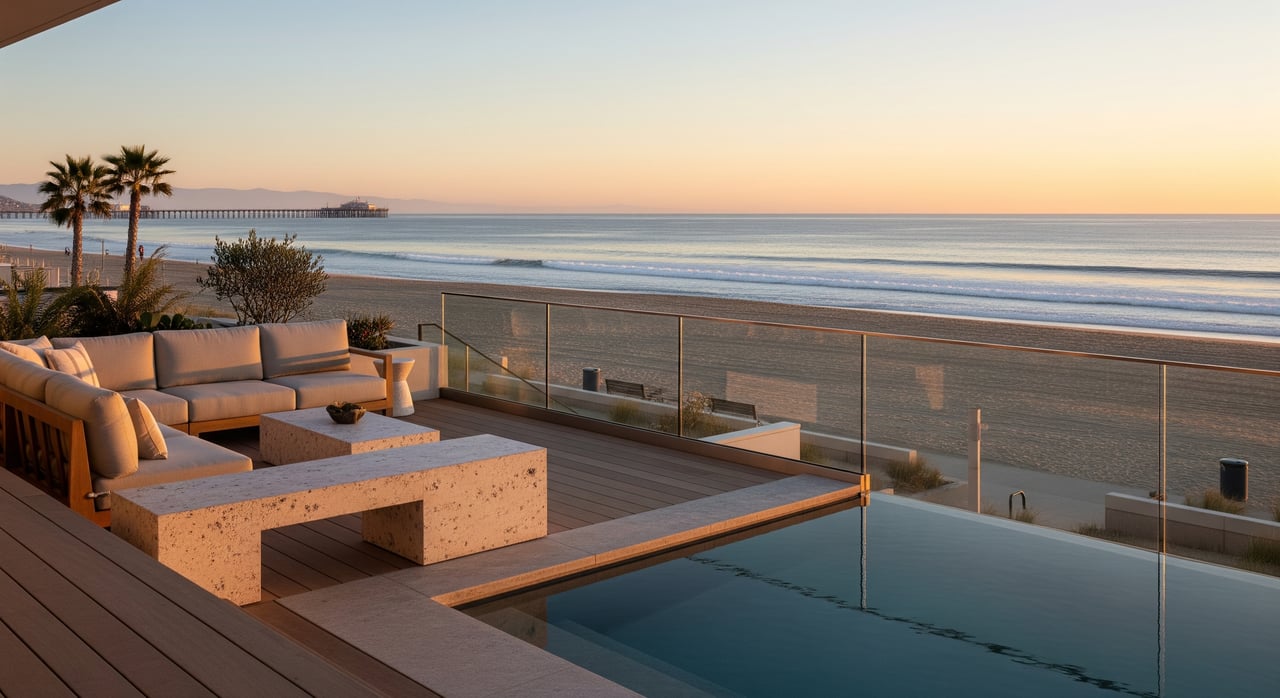
You step outside, feel the ocean breeze, and in moments your toes hit the sand. If you are considering a home on or near The Strand in Hermosa Beach, you likely want a simple, healthy routine with beach access at your door. In this guide, you will learn what daily life really looks like, how crowds and seasons shape your week, the rules that keep The Strand safe, and the key questions to ask before you buy. Let’s dive in.
What “living on The Strand” means
The Strand is the beachside path also known as the Marvin Braude Bike Trail. It runs roughly 22 miles along the L.A. coast and passes right through Hermosa Beach. You live between the public sand and the first row of homes and businesses, with the path as your front sidewalk. For many residents, “on The Strand” also includes homes a block inland that still enjoy fast beach access.
Hermosa Beach is compact and very walkable, with about 19,700 residents. According to the U.S. Census QuickFacts, it is a small city by the ocean where local life centers on the beach, Pier Avenue, and neighborhood shops. Housing types on or near The Strand range from modern single-family homes to small multi-unit buildings and condos with balconies or rooftop decks.
- Learn more about the county beach corridor on the Los Angeles County Department of Beaches and Harbors site.
- See Hermosa Beach community data on the U.S. Census QuickFacts page.
Daily life on The Strand
Your morning routine is easy to picture. Coffee, a walk or jog on the path, and a quick check of the surf. You have immediate access to the sand, water, and beach volleyball courts near the pier. Many residents plan their day around the tide and wind.
Errands often mean a stroll to Pier Avenue for restaurants, surf shops, and convenience items. Evenings are social and lively around the pier, while weekday mornings feel relaxed. The Strand supports walking, biking, and skating, so you can exercise without leaving the neighborhood.
Getting around and parking
For local trips, you will likely walk or bike. The Strand connects you to Redondo and Manhattan Beach, and it is a popular route for biking to transit stops or inland connections. Public buses run along nearby corridors, while drivers use regional highways for longer commutes.
Parking is the main practical trade-off. Street spaces near the pier and along The Strand fill quickly on weekends and evenings. The City of Hermosa Beach operates meters, pay stations, city lots, and residential programs. Review current city parking options and any permit rules on the City of Hermosa Beach site so you know what to expect for you and your guests.
Rules and etiquette you will use every day
The Strand is shared by walkers, runners, cyclists, and skaters. A little courtesy goes a long way.
- Pedestrians have priority, and everyone keeps right except to pass.
- Announce passes and maintain a safe distance.
- Slow your speed near the pier and busy plazas.
- Use lights and reflectors after dark.
Motorized devices such as e-bikes and e-scooters follow state classifications, but local rules can be stricter. Review the California DMV’s guidance on electric bicycles, and always check the City of Hermosa Beach for current local restrictions before riding.
Dogs, alcohol, smoking, and fires follow city and county rules that can change by area and season. Some beaches prohibit pets on the sand. Confirm current beach and Strand policies on the City of Hermosa Beach site before bringing a pet or planning a beach gathering.
Water safety basics
Hermosa Beach is patrolled by lifeguards during daytime and seasonal hours. Pay attention to posted flags and warnings for surf conditions and rip currents. For current safety guidance and lifeguard information, consult the LA County Fire Department Lifeguards.
Seasons, crowds, and events
Late spring through early fall is the peak season for visitors, with the busiest days on summer weekends and holidays. Expect more foot and bike traffic, limited parking, and a louder nightlife near the pier. Off-season weekdays and mornings are calmer and more resident focused.
May and June often bring “June Gloom,” with overcast mornings and cooler temperatures. Air temperatures are mild most of the year, and the ocean tends to stay on the cooler side. Popular community events, including arts and food festivals like Fiesta Hermosa, add energy and crowds around the downtown and shoreline. Check the city’s events calendar on the City of Hermosa Beach site to plan around major weekends.
Buying on or near The Strand: what to know
Living this close to the water brings special considerations. Plan for the following during your search and due diligence.
- Parking and access. Verify garage or driveway capacity, eligibility for residential permits, and any HOA or building rules. Guest parking is tight during peak times.
- Insurance and coastal risk. Beachfront properties can face wave run-up, storm surge, and erosion. Use FEMA’s Flood Map Service Center to check if a property is in a Special Flood Hazard Area and ask insurers about flood coverage and coastal endorsements. For long-term exposure, explore NOAA’s Sea Level Rise Viewer and consider advice from a coastal engineer.
- Coastal permits and remodel limits. The California Coastal Act and local zoning can affect seawalls, shoreline work, and rebuilds. Review requirements with the California Coastal Commission and the city before planning major changes.
- Maintenance realities. Salt air accelerates corrosion and wear. Expect more frequent service for windows, decks, HVAC, and metal fixtures.
- HOA and rentals. Some Strand-adjacent properties have small HOAs with rules on noise and short-term rentals. Check city ordinances and HOA bylaws if you plan to rent.
Quick buyer checklist for a Strand showing
- Park nearby and walk the route to the beach at different times, including a weekend evening.
- Note foot and bike traffic and noise at the times you would use the home.
- Confirm the number of assigned spaces and any guest parking rules.
- Ask for recent insurance history and any claims related to wind, salt, flood, or erosion.
- Request an elevation certificate or survey if the property is near the high-tide line or mapped in a flood zone.
- Ask about any coastal permits or repair work on shoreline protections.
- Verify city rules for rentals, dogs on the beach, and motorized devices on The Strand.
A day in the life
Start with a jog to the pier, say hello to the regulars on the path, then grab breakfast a short walk from home. Work from your deck with the ocean as your backdrop, or bike to a local meeting using the shoreline path. In the evening, watch a volleyball match, take a sunset stroll, and keep the windows open to the sound of the waves.
Living on The Strand is about simple routines, easy access, and a community that loves the beach as much as you do. If you want help finding the right fit on or near the path, reach out to Colin Aita Real Estate for local guidance tailored to your goals.
City of Hermosa Beach | LA County Beaches and Harbors | U.S. Census QuickFacts | California DMV: Electric Bicycles | LA County Fire Lifeguards | FEMA Flood Map Service Center | NOAA Sea Level Rise Viewer | California Coastal Commission
FAQs
What is The Strand in Hermosa Beach?
- The Strand is the beachfront segment of the Marvin Braude Bike Trail, a coastal path that runs for roughly 22 miles through the Beach Cities and serves walkers, runners, and cyclists.
How busy does The Strand get in summer?
- Late spring through early fall is peak season, especially weekends and holidays, with heavier foot and bike traffic, tighter parking, and more nightlife near the pier.
What are the parking options for Strand residents?
- Expect a mix of private garages or driveways, city meters and lots, and residential permit programs; review current details on the City of Hermosa Beach site.
Are e-bikes allowed on The Strand in Hermosa Beach?
- State law classifies e-bikes, but local rules may restrict certain devices on the path; check California DMV guidance and confirm current policies with the City of Hermosa Beach.
Do I need flood insurance for a Strand home?
- It depends on the property’s flood zone and elevation; check FEMA’s Flood Map Service Center, discuss coverage with your insurer, and review long-term exposure with NOAA’s Sea Level Rise Viewer.