Love the ocean breeze in Hermosa Beach? That same salt air can quietly attack your home’s finishes, metal, and systems. Whether you live steps from The Strand or up the hill, you want to protect your investment and avoid surprise repairs. In this guide, you’ll learn how salt air causes damage, which parts of a beach home wear fastest, a simple maintenance schedule, and which materials hold up best here in the South Bay. Let’s dive in.
Why salt air is tough in Hermosa Beach
Salt air speeds up corrosion. Airborne chloride ions from sea spray and fog break down protective films on metals and promote pitting and crevice corrosion. Salt also attracts moisture, so surfaces stay damp longer, which keeps corrosion going.
Wind-blown sand acts like sandpaper. It scours paint, anodized finishes, and sealants. Pair that with strong UV and daily temperature swings, and exterior coatings and wood finishes degrade faster than they would inland.
Your building envelope takes a hit too. Chlorides can work into porous materials like concrete, masonry, and stucco, raising the risk of rebar corrosion and spalling. Window insulating glass units can fail early when seals are stressed by thermal cycling and salt around the edges. HVAC outdoor coils and fittings corrode more quickly in salty, moist air.
For long-term planning, factor in coastal hazard guidance from state and local agencies. Sea-level rise and extreme weather planning in California can affect maintenance expectations and timelines over the coming decades.
What fails first near the beach
Exterior paints and coatings
- Problems: chalking, peeling, blistering, and color fade under strong UV and salt.
- Indicators: chalk residue when rubbed, exposed substrate, rust bleed at fasteners.
- What to do: choose premium exterior systems. 100 percent acrylic or PVDF/Kynar finishes resist UV and salt better than budget paints. Touch up early.
Metal hardware and fasteners
- Problems: pitting, crevice corrosion, and galvanic corrosion where dissimilar metals touch.
- Indicators: orange or black stains, rough pitting, stiff locks and hinges.
- What to do: select stainless carefully. Use 316 for exposed fasteners and railings. Isolate dissimilar metals with non-metallic washers.
Windows, doors, and seals
- Problems: seal failure that causes fogging, corroded frame corners and fasteners, leaks and drafts.
- Indicators: condensation between panes, gritty or sticking sliders, visible corrosion at sills.
- What to do: clean salt from tracks, keep weeps clear, and lubricate rollers. In coastal settings, many IGUs last toward the lower end of the common 10 to 20 year range depending on exposure and quality.
Roofing and flashing
- Problems: fastener corrosion, coating failure on metal, granular loss on asphalt, and leaks at flashing seams.
- Indicators: rust streaks, loose or corroded fasteners, cracked flashings.
- What to do: inspect high-exposure edges and penetrations often. Replace corroded fasteners with stainless where compatible.
Decks, patios, and exterior wood
- Problems: faster finish breakdown, rot risks with repeated wetting, and corroded connectors.
- Indicators: soft spots, peeling or worn finishes, loose hardware.
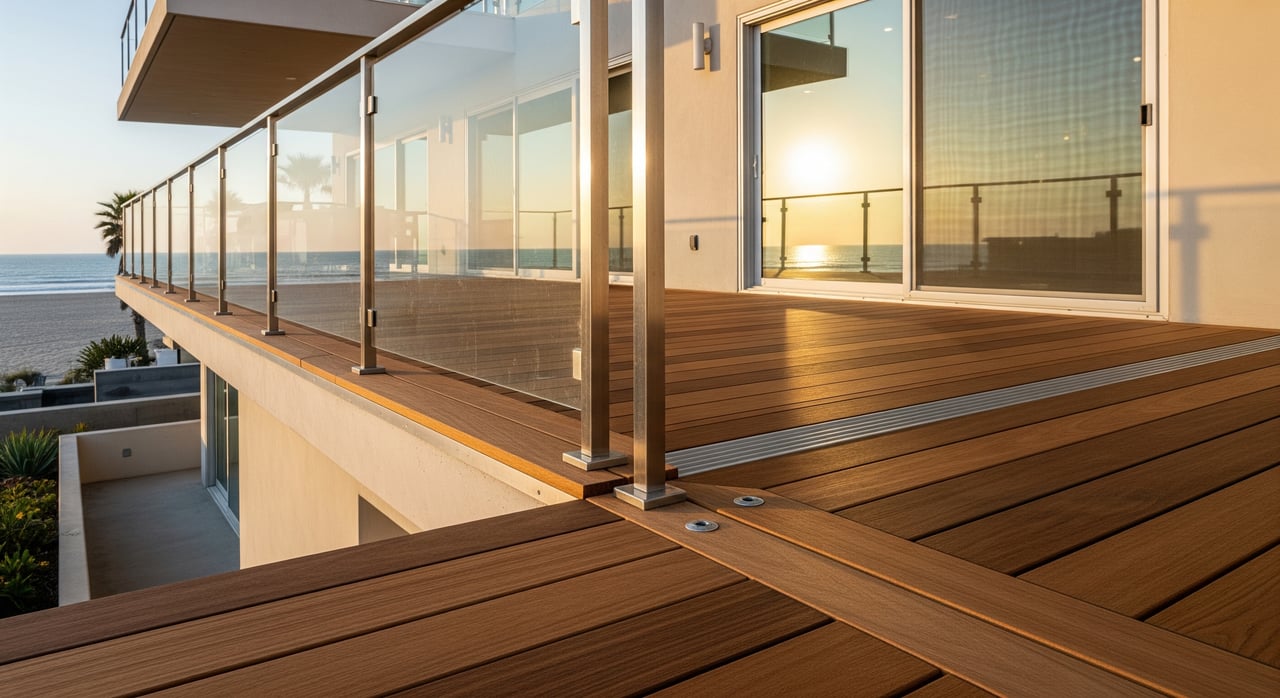
- What to do: pick durable species or composites, seal on schedule, and use stainless steel 316 connectors near the ocean.
HVAC equipment and ducting
- Problems: coil and fin corrosion, cabinet seam rust, clogged drains, and reduced heat transfer.
- Indicators: rising energy use, uneven cooling, rusted pans or cabinets.
- What to do: rinse outdoor units with fresh water regularly, clear drains, and have a pro clean and service coils. Protective coil coatings can help.
Plumbing and water heaters
- Problems: exterior metal corrosion on fittings and terminations; salt in crawlspaces can increase corrosion.
- Indicators: pinhole leaks in exposed copper, rust at tank fittings.
- What to do: use dielectric unions at transitions and corrosion-resistant materials outdoors.
Electrical and lighting
- Problems: corroded contacts, failed exterior outlet covers, and compromised grounding.
- Indicators: flicker or intermittent operation, visible corrosion in fixtures, nuisance GFCI trips.
- What to do: choose sealed, marine-rated fixtures and weather-rated enclosures.
Concrete, masonry, and stucco
- Problems: chloride ingress can lead to rebar corrosion and spalling; efflorescence.
- Indicators: hairline cracks, rust stains, flaking or spalling.
- What to do: apply penetrating silane or siloxane repellents and seal cracks early.
Landscaping and drainage
- Problems: salt stress on sensitive plants and sand buildup that blocks drainage.
- Indicators: browning foliage, sand accumulation in gutters and around units.
- What to do: choose salt-tolerant plants and keep drains, downspouts, and clearances open.
Your Hermosa Beach maintenance schedule
Adjust frequency based on distance to surf, wind exposure, and elevation. Homes closest to the beach or facing prevailing winds need more frequent care.
Weekly
- Rinse exterior metal railings, hardware, outdoor furniture, and HVAC outdoor units with fresh water. Avoid blasting seals or glazing with high pressure.
- Clear sand from patios, decks, entryways, and around drains and HVAC equipment.
Monthly
- Clean and inspect exterior hardware. Remove small rust spots, rinse with mild detergent, dry, and apply a light inhibitor or oil to moving parts.
- Check gutters and downspouts for sand and debris and clear as needed.
- Replace or clean HVAC filters more often in sandy areas. Use pleated filters in the MERV 8 to 11 range if suitable for your system.
Quarterly (every 3 months)
- Inspect windows and doors. Check weatherstripping, perimeter caulk, sill tracks, and fasteners for corrosion or salt buildup. Clean and lubricate tracks.
- Flush HVAC condensation drain lines and inspect pans for corrosion.
- Inspect exterior paint and caulking for cracking or chalking. Spot clean and touch up early.
- Rinse exterior lighting and verify gaskets and seals are intact.
Biannually (every 6 months)
- Schedule professional HVAC service. Have coils cleaned, refrigerant checked, components lubricated, and corrosion noted. Ask about coil protective coatings if recommended.
- Inspect the roof and flashings. Look for corroded fasteners, failed sealants, and cracked flashings.
- Inspect decks and railings for loose or corroded hardware and finish wear. Reseal wood if needed.
Annually
- Complete a whole-house exterior review: paint, caulks, penetrations, foundation, chimney, stucco, and concrete. Reapply penetrating water repellents to masonry and concrete every 3 to 5 years per product guidance.
- Inspect windows and IGUs for fogging or seal failure and document conditions.
- Check outdoor electrical circuits, GFCIs, and service panels for corrosion.
- Replace heavily corroded fasteners and hardware with marine-grade options.
Every 3 to 7 years
- Repaint or recoat high-exposure facades and trim. Premium marine-grade systems last longer; direct ocean exposure shortens cycles.
- Renew deck finishes or sand and reseal if wear shows.
- Replace failed IGUs or schedule professional glazing work where seals have failed.
Every 10 to 20 years
- Plan for window IGU replacement as seals fail, depending on quality and exposure.
- Plan roof replacement based on material life. Asphalt often runs 15 to 25 years; metal can last longer if coatings remain intact.
- Address any structural concrete repairs for spalling or rebar corrosion quickly to prevent escalation.
After storms or flooding
- After storm surge or flood, schedule professional inspections for salt contamination and electrical safety, and plan aggressive drying and cleaning. Flooded mechanicals and porous materials often require more extensive remediation.
Coastal-grade materials that last
Metals and fasteners
- Use 316 stainless steel for exposed fasteners, railings, and connectors in coastal zones. It resists pitting from chlorides better than 304.
- 304 stainless may be acceptable indoors or well protected outdoors, but it is more prone to pitting in salty conditions.
- Hot-dipped galvanized steel (G185 or heavier) offers sacrificial protection, but zinc will wear down near the ocean. Pair with proper coatings or pick stainless where feasible.
- Anodized and coated aluminum can perform well when isolated from dissimilar metals. Avoid direct contact with stainless without isolators to prevent galvanic corrosion.
- Isolate dissimilar metals with nylon or EPDM washers and proper sealants.
Coatings and paints
- Choose high-performance exterior systems. 100 percent acrylics and PVDF/Kynar finishes provide strong UV and chemical resistance.
- For metals, use a compatible epoxy primer plus polyurethane topcoat system per manufacturer instructions.
- Clean salt film regularly and touch up early to extend coating life.
Sealants and caulks
- Use ASTM C920 compliant polyurethane, polysulfide, or high-performance silicone sealants designed for marine or coastal exposure.
- Re-caulk critical joints at the first sign of cracking. Avoid generic interior-grade caulks outdoors.
Windows and glazing
- Select frames with corrosion-resistant finishes and thermally broken designs where appropriate.
- Specify 316 stainless fasteners and marine-rated hardware in salty zones.
- Look for proper drainage and weep design so salt does not collect in tracks.
HVAC and mechanical
- Consider outdoor units with factory-applied corrosion-resistant coil coatings.
- Elevate and shield outdoor units from direct sand and spray while maintaining airflow.
- Use washable prefilters when heavy sand or salt dust is present, as allowed by the system.
Concrete, stucco, and masonry
- Apply penetrating silane or siloxane water repellents to reduce chloride ingress. Follow reapplication schedules.
- Use low-permeability concrete and adequate rebar cover in new work. Seal cracks promptly to stop moisture pathways.
Exterior wood and decking
- Pick naturally durable species like teak or Ipe, or use composites with UV-resistant finishes.
- Always pair decking with 316 stainless fasteners in coastal exposures.
Electrical and lighting
- Choose sealed, marine-grade fixtures and enclosures with corrosion-resistant finishes.
- Protect exterior outlets with weather-rated covers and GFCI protection.
Product standards and guidance
- Look for coatings tested to recognized standards such as ASTM B117 (salt fog) and sealants that meet ASTM C920.
- For deeper guidance, materials and corrosion best practices are supported by AMPP, ASTM, ASHRAE for HVAC maintenance, and glazing industry sources for IGU performance.
Early warning signs and when to call pros
- Metal pitting, orange or black staining on painted surfaces, or bubbling paint over metal.
- Fogging between window panes or repeated condensation inside IGUs.
- Stiff or failing locks and hinges with visible corrosion.
- Rising energy bills, uneven cooling, or rusted HVAC components.
- Cracks and spalls in concrete or stucco with rust stains.
- Persistent drafts or water intrusion around windows and doors.
Call a licensed pro if you see structural concrete spalling or exposed rebar, repeated window fogging that points to seal failure, corrosion that affects electrical safety, or refrigerant leaks. After any coastal flooding, bring in qualified help for drying, cleaning, and safety checks.
Local resources and permitting notes
- Check Hermosa Beach’s building and permit requirements before exterior work, especially for railings, windows, decks, and roof changes.
- For projects near the beach, review California Coastal Commission guidance to confirm if additional approvals apply.
- Refer to Los Angeles County stormwater and drainage resources when planning site drainage improvements.
- Use NOAA and National Weather Service advisories for high surf, wind, and tide forecasts to time maintenance.
Keep your South Bay home market-ready
Proactive coastal maintenance protects curb appeal, reduces repair risk, and preserves value when it is time to sell or refinance. A clean, well-sealed exterior, smooth-operating windows and doors, and corrosion-free railings signal careful ownership to buyers and appraisers.
If you want a local plan for maximizing value or need vetted pros for coastal repairs, reach out to the team that treats clients like neighbors. Connect with Colin Aita Real Estate for a friendly, no-pressure conversation about your home and goals.
FAQs
How often should Hermosa Beach homeowners rinse exterior metal and HVAC units?
- Weekly is a strong starting point near the shoreline, with more frequent rinsing during windy or high-surf periods when salt spray and sand increase.
What stainless steel grade works best for coastal railings and fasteners?
- Use 316 stainless steel for exposed coastal applications; 304 can work indoors or in protected spots but is more prone to pitting in salty air.
How often should you repaint high-exposure oceanfront facades?
- Expect shorter cycles on windward sides; many homes need partial repainting or recoating every 3 to 7 years depending on product quality and exposure.
When do coastal window seals and IGUs typically need replacement?
- In salty environments, many IGUs reach the lower end of common life ranges, often 10 to 20 years, depending on product quality, installation, and exposure.
Is pressure washing safe for windows and seals in a beach home?
- Use low pressure and avoid blasting seals, glazing edges, and weep holes; gentle rinsing and targeted cleaning protect seals and coatings better.
What should you do after storm surge or coastal flooding in Hermosa Beach?
- Arrange professional electrical and mechanical inspections, start controlled drying, flush salt residues, and plan more extensive remediation for flooded mechanicals and porous materials.